


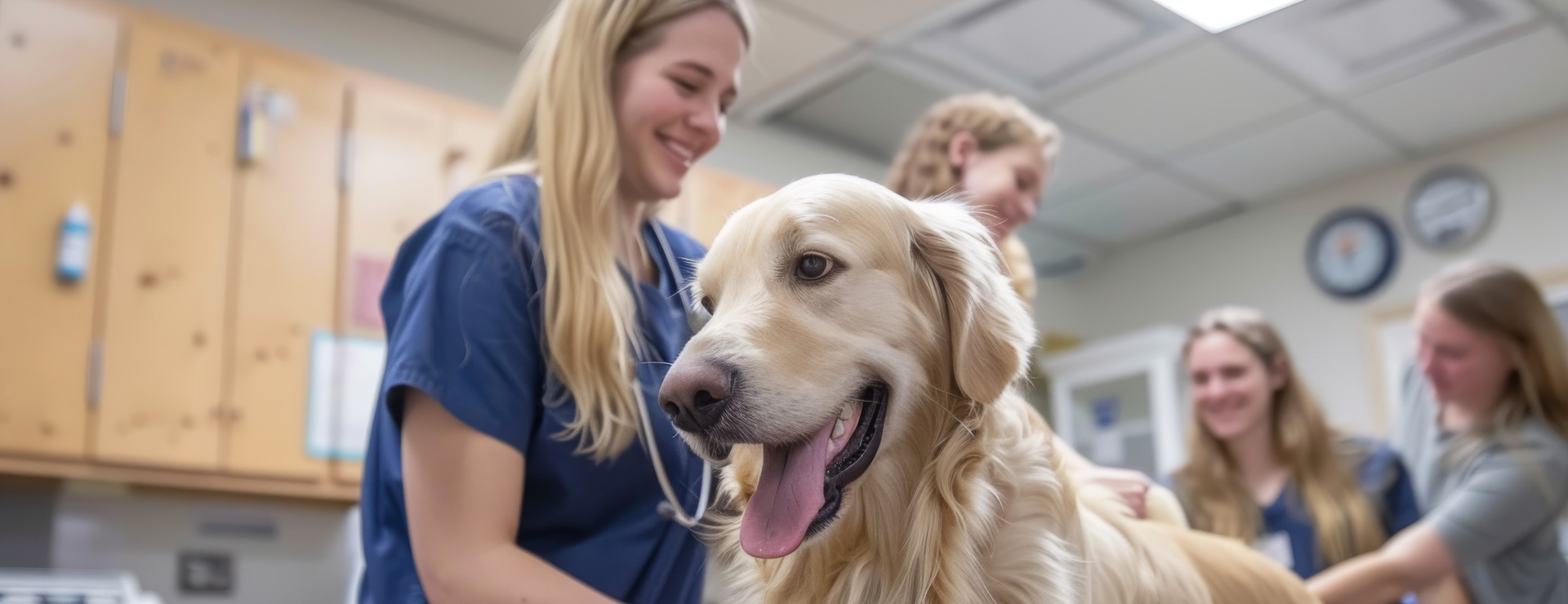
Senior Dog and Cat Care in Fredericton: Checkups, Bloodwork and Keeping Older Pets Comfortable


Our pets age faster than we do, and the changes that come with getting older can be easy to miss when you see your dog or cat every day. A little more sleep, a slower climb up the stairs or a change in appetite can all be early signs of a health problem that is easier to manage when it is caught early. At Royal Road Veterinary Hospital in Fredericton, we build wellness plans for every stage of your pet's life, including the senior years.
This guide covers the changes to watch for in an older pet, what a senior checkup includes, and how we help keep aging dogs and cats comfortable.
Signs of Aging to Watch for in Dogs and Cats
Older pets often hide discomfort, so small changes at home matter. Book a visit if you notice:
- Stiffness, limping or trouble with stairs, jumping or getting up
- Drinking or urinating more than usual
- Weight loss or weight gain
- Changes in appetite, or dropping food while eating
- Bad breath, red gums or chewing on one side of the mouth
- New lumps or bumps
- Coughing, or getting tired more quickly on walks
- Confusion, restlessness at night or other changes in behaviour
- Accidents in the house or outside the litter box
Many of these changes are easy to write off as normal aging, but they can also point to arthritis, dental disease, kidney disease, thyroid problems or other conditions that we can help with. If your pet is drinking more water than usual or you have found a new lump, our guides explain what to do next.
How Often Should a Senior Pet See the Vet?
We recommend that healthy adult pets have a wellness exam once a year. Senior pets and pets with ongoing health conditions may need more frequent checkups, because pets age more quickly than people and their health can change faster. Our veterinarians will recommend a schedule based on your pet's age, breed, size and health history.
What a Senior Wellness Exam Includes
A full physical exam
Our veterinarians check your pet's weight, heart rate and respiratory rate and perform a complete physical assessment. We will also talk with you about diet, exercise and any changes in behaviour you have noticed at home.
Screening bloodwork and urine testing
Diagnostic testing helps us assess organ function, uncover hidden health issues and set baseline values to compare against at future visits. Our in-house laboratory can assess liver and kidney function, blood sugar, electrolytes and thyroid function, and complete a urinalysis, often with results within minutes.
X-rays and ultrasound when needed
Our digital x-rays help diagnose arthritis, heart enlargement, lung disease and many other conditions. Abdominal ultrasound lets us evaluate organs such as the liver, kidneys, spleen and bladder in real time, and can help detect tumors, cysts and fluid build-up.
A dental check
Dental problems often go unnoticed because many of them happen below the gumline. Bacteria from unhealthy teeth can spread through the bloodstream to vital organs such as the heart and kidneys. We generally recommend a dental cleaning under anesthetic every 18 to 24 months, and every dental includes full-mouth dental x-rays. Learn more about pet dental care.
What About Anesthesia for an Older Pet?
Many owners worry about anesthesia for an older pet. Before any procedure, we perform pre-surgical bloodwork to make sure the liver and kidneys can process and filter the anesthesia and that blood cell levels are where they should be. Anesthesia is tailored to each pet's needs and health status. Every surgery at Royal Road includes IV fluids, pain medication in hospital and to go home, and heated pads to keep your pet warm, and our Registered Veterinary Technicians monitor heart and respiration rate during recovery. Read more about why we do bloodwork before surgery.
Keeping Your Senior Pet Comfortable at Home
- Nutrition: our veterinarians offer nutritional counseling to help you choose the right food for your pet's age, size and health, and may suggest supplements or special diets for specific health issues.
- Weight: your pet is weighed at every visit, so we can track gradual changes you may not notice at home.
- Exercise and enrichment: we can recommend activity and enrichment suited to your pet's age, activity level and health.
- Prevention: senior pets still need vaccines and parasite prevention, and we tailor their plan to their lifestyle and health.
- Medications: if your pet is on long-term medication, our lab can monitor medication levels such as phenobarbital, and you can request refills through the Pet Portal on our Resources page.
Care for Every Chapter
As pets reach their later years, the focus often shifts toward comfort and quality of life. Our veterinary team includes interests in internal medicine, feline medicine and palliative care, and we will talk openly with you about your pet's needs and your goals for their care. If your senior pet is nervous about vet visits, our Fear Free certified veterinarian and our Cat Friendly Practice approach help keep visits calmer. Learn how we help anxious dogs and cats.
Frequently Asked Questions About Senior Pet Care
When is my dog or cat considered a senior?
It depends on your pet's species, breed and size, and larger dogs often age sooner than smaller dogs. Our veterinarians will let you know when it makes sense to move your pet to a senior wellness plan with more frequent checkups and screening tests.
Why does my older pet need bloodwork if they seem healthy?
Pets are good at hiding illness, and changes in kidney, liver or thyroid function can begin before you see any signs at home. Screening bloodwork helps find these problems earlier and creates baseline values we can compare against at future visits.
Is my older dog just slowing down, or is it arthritis?
It can be hard to tell from home. Stiffness, limping and trouble with stairs or jumping can be signs of arthritis or another joint problem. Our veterinarians can examine your pet and use digital x-rays to look at the bones and joints, then build a plan to keep your dog comfortable.
Can you help me keep my aging pet comfortable?
Yes. Our veterinarians will talk with you about your pet's quality of life and your goals, and help you plan care that focuses on comfort, including pain management and regular follow-up. Call us at 506-460-8668 to book a time to talk.
Book a Senior Checkup in Fredericton
If your dog or cat is getting older, contact us or book an appointment online to set up a senior wellness plan.
Royal Road Veterinary Hospital
23 Royal Parkway, Fredericton, NB E3G 0J9
Phone: 506-460-8668 | Email: info@royalroadvet.com


The Latest
Indoor cats live longer, healthier lives, free from the dangers of traffic, predators, and harsh weather. Learn how to keep your beloved cat safe and happy.
Regular grooming maintains your pet’s health by preventing mats, promoting shiny coats, and removing debris. Trust professionals for safe, effective grooming.
Keep your pets safe this Halloween by avoiding chocolate, candy, and decorations that can be toxic or harmful to them.