


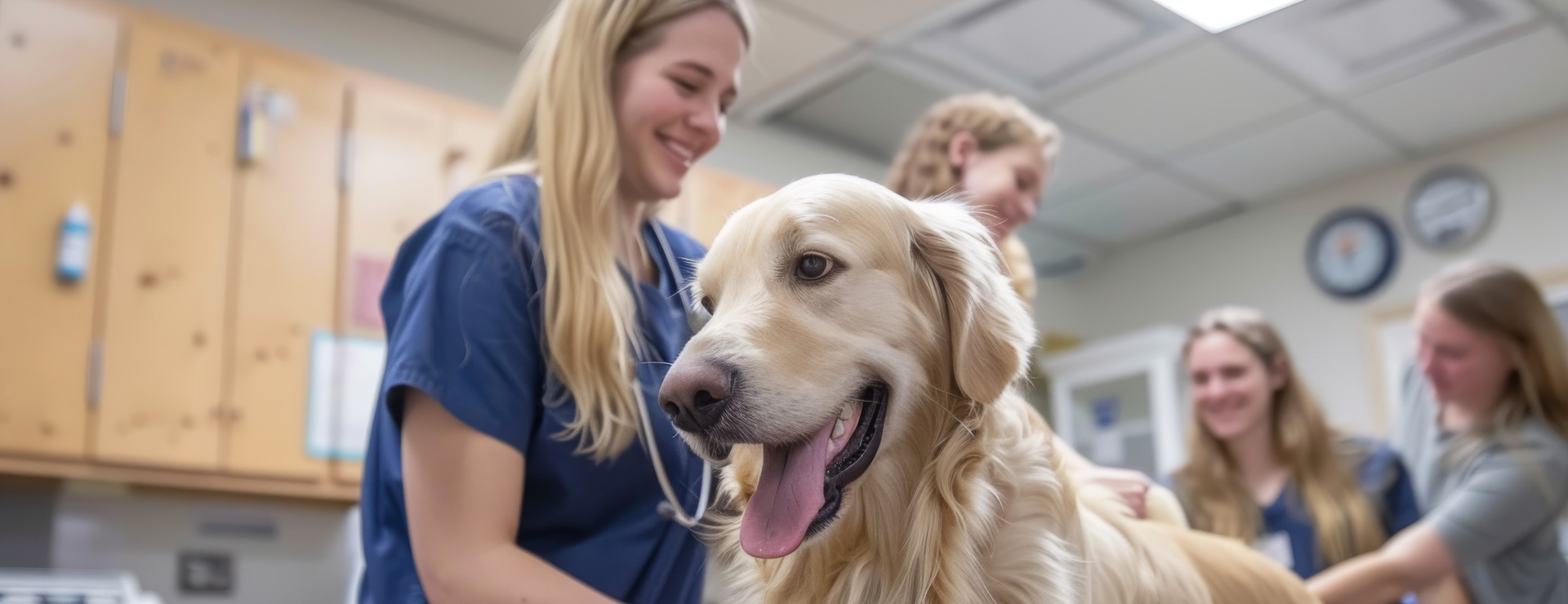
Why Does My Young, Healthy Pet Need Bloodwork Before Surgery?


Looking Beyond What We Can See
A physical examination tells us a great deal about your pet's overall health, but it can't tell us everything happening inside the body. Bloodwork provides a snapshot of your pet's internal health and helps us identify concerns that may not have any outward signs.
The results help us evaluate:
- Liver function
- Kidney function
- Red blood cell count
- White blood cell count
- Platelet count
Together, these results help us tailor an anesthetic plan specifically for your pet.
Why Are the Liver and Kidneys Important?
The liver acts as the body's processing center. It helps metabolize many medications, including anesthetic drugs, and plays an important role in producing proteins and supporting normal body functions.
The kidneys filter waste products from the bloodstream, regulate hydration and electrolytes, and help remove many medications from the body after surgery.
If either organ isn't functioning as expected, certain anesthetic medications may stay in the body longer or affect the patient differently than intended. Knowing this beforehand allows us to choose medications that are safer for your pet and, when needed, adjust fluid therapy or monitoring during the procedure.
What Do the Blood Cells Tell Us?
Pre-surgical bloodwork also evaluates your pet's blood cells.
Red Blood Cells (RBCs)
Red blood cells carry oxygen throughout the body. If your pet is anemic (has too few red blood cells), they may not deliver enough oxygen to their tissues while under anesthesia, increasing the risk of complications.
White Blood Cells (WBCs)
White blood cells are part of the immune system and help us identify infection, inflammation, or other underlying health concerns. Sometimes we find mild abnormalities that aren't serious enough to delay surgery. For example, an increase in a type of white blood cell called an eosinophil may simply suggest intestinal parasites—something we can often address while still safely proceeding with the procedure.
Platelets
Platelets are responsible for helping blood clot normally. A low platelet count can increase the risk of bleeding during surgery, making this an important value to assess before any procedure.
Bloodwork Helps Us Customize Anesthesia
Every patient is unique. Our anesthetic medications are carefully selected based on three important factors:
- Your pet's physical examination
- Their medical history
- Their pre-surgical bloodwork results
Rather than using a "one-size-fits-all" approach, we create an anesthetic plan that is tailored specifically to your pet's needs.
Not Every Abnormality Means Surgery Is Cancelled
Finding a minor abnormality on bloodwork doesn't automatically mean surgery can't happen.
Many small changes are expected or easily explained. For example:
- A slightly increased ALT (a liver enzyme) can be perfectly normal in growing puppies as their bodies develop.
- An increase in eosinophils may simply indicate intestinal parasites that can be treated.
In these situations, surgery can often proceed safely with little or no change to the plan.
However, some abnormalities tell us that we should investigate further before administering anesthesia.
For example, a pet with an undiagnosed urinary tract infection may have mild increases in kidney values. Even if they aren't showing obvious signs at home, the infection can affect how their body responds to anesthesia and may slow recovery and healing after surgery. Treating the infection first often leads to a safer anesthetic experience and a smoother recovery.
Sometimes bloodwork also guides us to select different anesthetic medications or adjust our monitoring and supportive care during the procedure.
Our Goal Is Safety
Pre-surgical bloodwork isn't about looking for reasons to postpone surgery—it's about making informed decisions that keep your pet as safe as possible.
By identifying hidden health concerns before anesthesia, we can:
- Choose the most appropriate anesthetic medications.
- Detect conditions that may need treatment first.
- Reduce the risk of anesthetic complications.
- Help ensure a smoother recovery after surgery.
Every pet deserves individualized care, and pre-surgical bloodwork is one of the most valuable tools we have to provide it.
If you have questions about your pet's upcoming procedure or their bloodwork results, our team is always happy to explain what the numbers mean and why they matter. Our goal is to help you feel confident that your pet is receiving the safest care possible every step of the way.


The Latest
Indoor cats live longer, healthier lives, free from the dangers of traffic, predators, and harsh weather. Learn how to keep your beloved cat safe and happy.
Regular grooming maintains your pet’s health by preventing mats, promoting shiny coats, and removing debris. Trust professionals for safe, effective grooming.
Keep your pets safe this Halloween by avoiding chocolate, candy, and decorations that can be toxic or harmful to them.