


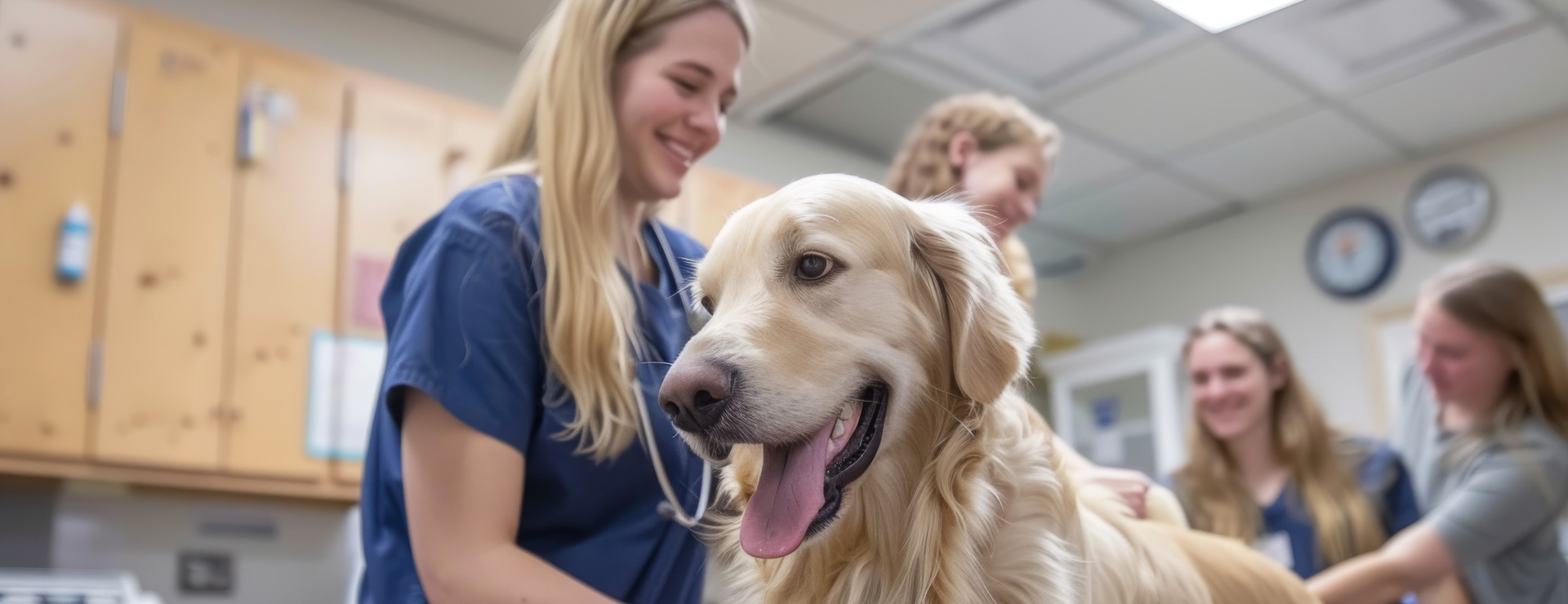
I Found a Lump on My Dog or Cat: What to Do Next


Finding a lump on your dog or cat while petting them can be worrying. Many lumps turn out to be harmless, but some are not, and there is no way to tell which is which just by looking at or feeling it. At Royal Road Veterinary Hospital in Fredericton, our veterinarians examine and test lumps and bumps, and we remove lumps and masses surgically when that is the best option for your pet.
Here is what to do when you find a lump, what testing involves, and when a lump should be removed.
What to Do When You First Find a Lump
- Note where the lump is on your pet's body.
- Estimate its size by comparing it to a familiar object, like a pea, a grape or a coin.
- Take a photo with a coin or ruler beside it so you can track any changes.
- Note whether it feels soft or firm, whether it moves under the skin, and whether your pet seems sore when you touch it.
- Do not squeeze, poke or try to drain the lump.
- Book an appointment so a veterinarian can examine it.
When a Lump Should Be Checked Soon
Call us at 506-460-8668 for a prompt visit if the lump:
- Is growing quickly or changing shape or colour
- Is bleeding, oozing or has broken open
- Seems painful, hot or swollen
- Is on or near the eye, mouth or paw, or is bothering your pet
- Shows up along with weight loss, low energy or a change in appetite
It is also a good idea to book a visit if you find several new lumps at once.
Why You Cannot Judge a Lump by Feel
Lumps can be many different things, including fatty growths, cysts, infections, swollen lymph nodes and tumors. A harmless lump and a cancerous one can look and feel very similar. That is why our veterinarians recommend checking a new lump rather than waiting to see what happens. Finding out early gives your pet the most options.
How We Check a Lump at Royal Road
A hands-on exam
Our veterinarians will examine the lump, check the rest of your pet's body for other lumps, and assess vital signs such as weight, heart rate and respiratory rate. We will ask when you first noticed it and whether it has changed.
A needle sample
In many cases, a small needle and syringe can be used to collect a sample from the lump. These samples help us identify what is affecting your pet. Mild sedation may be used if your pet is anxious or will not stay still.
Imaging and bloodwork
If we need to know more, our digital x-rays and abdominal ultrasound let us look at internal organs and lymph nodes, and ultrasound can guide a needle to sample areas of concern inside the body. Our in-house laboratory can check liver and kidney function and other indicators of health, which is also important before any surgery. Learn more about pet ultrasound and in-house lab testing.
When Should a Lump Be Removed?
Our veterinarians will recommend removal based on what the lump is, where it is, how fast it is growing and whether it bothers your pet. Removal of lumps and masses is one of the most common soft tissue surgeries we perform, and we also remove lumps on and around the eyes. When a problem is caught early, surgery can be faster and potentially less invasive.
Every surgery at Royal Road includes:
- Pre-surgical bloodwork to make sure the liver and kidneys can process the anesthesia
- IV fluids to help with metabolism and hydration
- Pain medication in hospital and to go home
- Safe heated pads to keep your pet warm and cozy
After surgery, our Registered Veterinary Technicians recover your pet in a warm kennel and monitor their temperature, heart rate and respiration. For procedures that require specialized equipment or training, we refer to board-certified veterinary surgeons in the Atlantic Provinces. Learn more about lump removal and other soft tissue surgeries.
Keeping an Eye on Lumps Over Time
Regular wellness exams are one of the best ways to catch new lumps early, especially in senior pets. If we decide to monitor a lump rather than remove it, keep taking photos and measurements at home and let us know about any changes. For female pets, spaying also helps lower the risk of mammary cancer.
Frequently Asked Questions About Lumps on Dogs and Cats
Are lumps on dogs and cats always cancer?
No. Many lumps are harmless, but some are cancerous, and the two can look and feel alike. The only way to know is to have a veterinarian examine the lump and, in many cases, test a sample.
Should I wait to see if the lump goes away?
It is best to have any new lump checked rather than waiting. If the lump is growing quickly, bleeding or seems painful, call us at 506-460-8668 for a prompt appointment.
Can you test and remove lumps at your Fredericton hospital?
Yes. Royal Road Veterinary Hospital has an in-house laboratory, digital x-rays and ultrasound, along with a surgical suite where our veterinarians remove lumps and masses. When a case needs specialized surgery, we refer to board-certified veterinary surgeons.
Is it safe for my older pet to have a lump removed?
Every surgery at Royal Road starts with pre-surgical bloodwork to check that your pet's liver and kidneys can process anesthesia, and the anesthesia is tailored to your pet's needs and health status. Our veterinarians will talk through the benefits and risks with you before any procedure.
Have a Lump Checked in Fredericton
If you have found a lump or bump on your dog or cat, contact us or book an appointment online.
Royal Road Veterinary Hospital
23 Royal Parkway, Fredericton, NB E3G 0J9
Phone: 506-460-8668 | Email: info@royalroadvet.com


The Latest
Indoor cats live longer, healthier lives, free from the dangers of traffic, predators, and harsh weather. Learn how to keep your beloved cat safe and happy.
Regular grooming maintains your pet’s health by preventing mats, promoting shiny coats, and removing debris. Trust professionals for safe, effective grooming.
Keep your pets safe this Halloween by avoiding chocolate, candy, and decorations that can be toxic or harmful to them.