


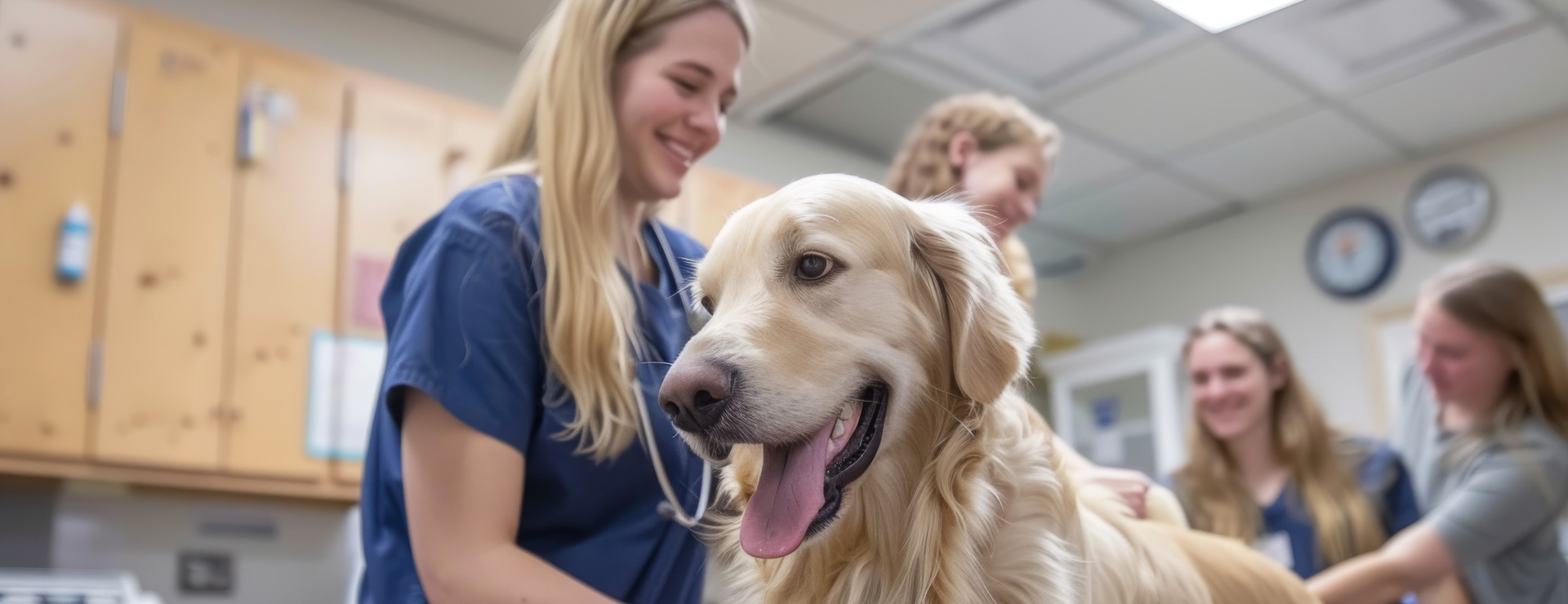
In-House Lab Testing and Digital X-Rays for Pets in Fredericton: Faster Answers When Your Pet Is Sick


When your dog or cat is not feeling well, the first question on your mind is usually "What is wrong?" Pets cannot tell us where it hurts or how long they have felt unwell, so diagnostic testing is how our veterinarians find the answer. At Royal Road Veterinary Hospital in Fredericton, our in-house laboratory, digital x-rays and ultrasound are all under one roof, which means we can often get results within minutes and start treatment sooner.
This guide explains the diagnostic tools we use, what each one can tell us, and what happens once we have a diagnosis.
Why Diagnostic Testing Matters for Dogs and Cats
A physical exam tells us a great deal, but many health problems cannot be seen or felt from the outside. Changes in organ function, infections, hormone problems and internal injuries often need testing to confirm. Accurate diagnostics help us identify everything from common illnesses to more complex diseases, so the treatment plan we recommend is based on what is actually happening inside your pet.
Our In-House Veterinary Laboratory
Our hospital has a comprehensive in-house laboratory that can run a wide range of tests while your pet is still with us. Depending on your pet's symptoms and history, our team can:
- Assess liver and kidney function
- Check blood sugar and electrolytes
- Look at other indicators of internal organ health
- Evaluate thyroid function
- Monitor medication levels, such as phenobarbital
- Perform parasite screenings
- Complete a urinalysis
Because these tests are done right here in Fredericton instead of being sent away, we often receive fast, accurate results within minutes. That lets us diagnose illness sooner, begin treatment more quickly and keep a close eye on pets with ongoing medical conditions.
Digital X-Rays for Pets
Digital radiography (x-rays) remains one of the most important tools in veterinary medicine. Our digital imaging system captures detailed images of your pet's bones and internal structures. X-rays help our veterinarians diagnose:
- Fractures
- Foreign bodies, such as something your pet swallowed
- Arthritis
- Heart enlargement
- Lung disease
- Many other conditions
Ultrasound When We Need a Closer Look
Ultrasound provides real-time images of your pet's internal organs and soft tissues. This non-invasive imaging lets us evaluate the liver, kidneys, bladder, spleen, gastrointestinal tract and other organs, and helps detect abnormalities such as tumours, cysts and fluid accumulation.
When blood tests and x-rays do not give a clear diagnosis, ultrasound is often the next step. In some cases, a needle and syringe can be used to collect small samples from an area of concern to help us identify what is affecting your pet. Our hospital uses a MyLab Five ultrasound machine and has more than 10 years of ultrasound experience. Learn more in our post on pet ultrasound in Fredericton.
Diagnostics Are Not Just for Sick Pets
Testing also plays a big role in keeping healthy pets healthy. As part of wellness care, your veterinarian may recommend blood tests, urine analysis, fecal examinations or imaging. These tests help assess organ function, uncover hidden health issues and create baseline values that we can compare against in the future.
Bloodwork is also an important safety step before anesthesia. On the morning of surgery, we run pre-surgical bloodwork to make sure your pet's liver and kidneys can process and filter the anesthetic, and that the blood cells that carry oxygen and fight infection are at good levels. Read more in Why Does My Young, Healthy Pet Need Bloodwork Before Surgery?
What Happens After a Diagnosis
Our veterinarians review every result and are available to explain the findings, answer your questions and talk through treatment options with you. From there, we build an individualized treatment plan based on your pet's specific health concerns and your goals for their care. Depending on the diagnosis, that plan may include:
- Hospitalization with intravenous (IV) fluids and in-hospital medications
- Medications given at home
- Long-term or lifelong medications with regular follow-up
- Surgery
If surgery is needed, we will work with you on timing if our surgical veterinarian can perform the procedure in our hospital, or connect you with specialized surgeons in the Atlantic provinces. After treatment begins, we continue to monitor your pet's progress and adjust the care plan as needed.
The same diagnostic tools support our urgent care service, helping us pinpoint the problem quickly when a pet arrives sick or injured during business hours.
Frequently Asked Questions About Pet Diagnostics
Do you run bloodwork in-house?
Yes. Our in-house laboratory can assess liver and kidney function, blood sugar, electrolytes, thyroid function and more, often with results within minutes.
What can an x-ray show in a dog or cat?
Digital x-rays help us diagnose fractures, swallowed foreign bodies, arthritis, heart enlargement, lung disease and many other conditions.
When does my pet need an ultrasound instead of an x-ray?
Ultrasound is often the next step when bloodwork and x-rays do not provide a clear diagnosis, because it shows the internal organs and soft tissues in real time.
Can you monitor my pet's medication levels?
Yes. We can monitor medication levels such as phenobarbital and evaluate thyroid function in our in-house laboratory.
Book a Diagnostic Visit in Fredericton
If your pet is not acting like themselves, our team is here to help find out why. Learn more about our veterinary diagnostic services, book an appointment, or call us at 506-460-8668. New to Royal Road? Visit our new clients page to get started.
Royal Road Veterinary Hospital
23 Royal Parkway, Fredericton, NB E3G 0J9
Phone: 506-460-8668 | Email: info@royalroadvet.com


The Latest
Indoor cats live longer, healthier lives, free from the dangers of traffic, predators, and harsh weather. Learn how to keep your beloved cat safe and happy.
Regular grooming maintains your pet’s health by preventing mats, promoting shiny coats, and removing debris. Trust professionals for safe, effective grooming.
Keep your pets safe this Halloween by avoiding chocolate, candy, and decorations that can be toxic or harmful to them.