


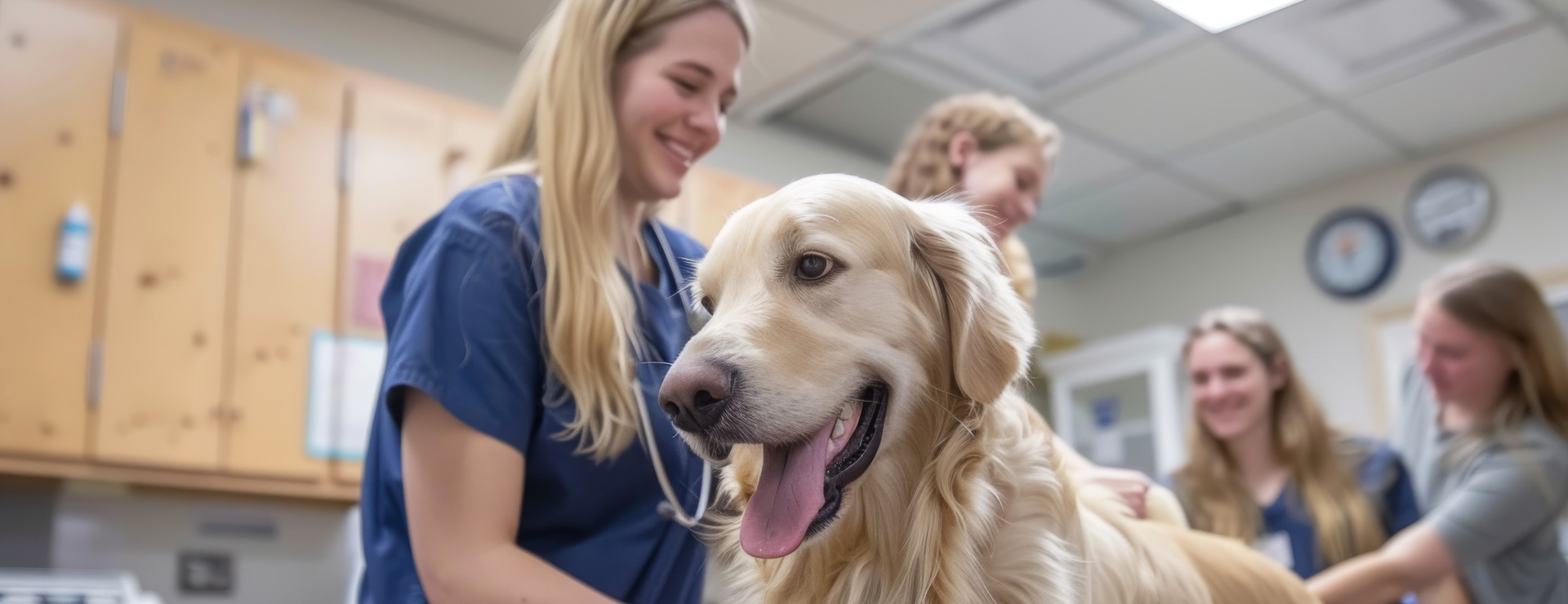
Why Is My Dog or Cat Limping? When to See a Vet in Fredericton


When your dog starts holding up a paw or your cat suddenly moves stiffly, it is natural to wonder whether it will pass on its own or whether something more serious is going on. Limping is one of the clearest ways pets show us that something hurts. At Royal Road Veterinary Hospital in Fredericton, our veterinarians examine dogs and cats with limping and lameness and use the digital x-ray system in our hospital to find the cause and start the right treatment.
This guide explains which limping signs need same-day attention, what can cause a limp, and what happens when you bring your pet in.
Signs Your Limping Pet Should Be Seen Right Away
Call us at 506-460-8668 right away if your dog or cat:
- Suddenly cannot stand or walk, or will not put any weight on a leg
- Was hurt in a fall, car accident, fight or bite wound
- Has bleeding that does not stop
- Shows signs of severe pain, such as crying out, hiding, panting or a hunched posture
- Has collapsed or seems suddenly weak
We provide urgent care during our regular hours. If your pet is hurt outside of our hours, contact Capital City Emergency Vet Hospital at 506-457-8387.
What Can Cause a Dog or Cat to Limp?
Limping is a symptom, not a diagnosis. The cause can be in a bone, a joint or the tissue around them, and it is often impossible to tell from home how serious it is. Some of the problems our veterinarians look for include:
- Injuries from falls, car accidents, fights or bite wounds
- Fractures (broken bones)
- Arthritis
- Foreign bodies
Our digital x-rays capture detailed images of your pet's bones and internal structures, helping us diagnose fractures, foreign bodies, arthritis and many other conditions. That means we can see what is happening beneath the surface instead of guessing.
What Happens When You Bring a Limping Pet to Royal Road
A hands-on physical exam
Your pet is weighed at every visit, and our veterinarians perform a physical assessment that includes vital signs like heart rate and respiratory rate. We will ask you when the limp started, which leg is affected and whether anything happened beforehand.
Digital x-rays right in our hospital
Because our digital imaging system is in our own hospital, we do not need to send you elsewhere for images. Having our diagnostic tools on site means we receive fast, accurate results, so we can move quickly from diagnosis to treatment. Learn more about our veterinary diagnostics.
Lab testing when it is needed
Our in-house laboratory can assess liver and kidney function and other indicators of internal health, often with results within minutes. If your pet needs anesthesia for surgery, pre-surgical bloodwork confirms that the liver and kidneys can process and filter the anesthesia.
A treatment plan built around your pet
Once we know the cause, we create an individualized treatment plan based on your pet's specific health concerns and your goals for treatment. Depending on the problem, that may include pain management, medications given at home, hospitalization with intravenous (IV) fluids, or long-term medication with regular follow-up.
Surgery and specialist referrals
If surgery is needed, we will work with you on the timing if our surgical veterinarian can perform it in our hospital. For advanced procedures that require specialized equipment or training, we refer to board-certified veterinary surgeons in the Atlantic Provinces so your pet has the best possible outcome. Every surgery at Royal Road includes pre-surgical bloodwork, IV fluids, pain medication in hospital and to go home, and safe heated pads to keep your pet warm. Learn more about our surgical services.
How to Help Your Pet Before the Appointment
- Handle your pet gently. Even the sweetest pet may bite when in pain.
- Use a carrier, leash or blanket to move your pet safely.
- Do not give your pet any medication at home without speaking to a veterinarian first.
- Note when the limp started, which leg is affected and anything that happened beforehand.
- Bring a list of your pet's current medications and supplements, and write down your questions.
Long-Term Care for Joint Problems
Some causes of limping, such as arthritis, need ongoing management rather than a one-time fix. Our team provides ongoing monitoring and follow-up care, and we adjust your pet's care plan as their needs change. Regular wellness exams help us catch changes early, and senior pets may need more frequent check-ups. Learn what happens at a pet wellness exam.
Frequently Asked Questions About Limping in Dogs and Cats
Should I take my dog to the vet for limping?
Yes. If the limp is sudden or severe, your dog will not put weight on the leg, or it started after an injury, call us the same day at 506-460-8668. If the limp is mild but does not go away or keeps coming back, book an appointment so we can find the cause.
Do you take x-rays at your Fredericton hospital?
Yes. Royal Road Veterinary Hospital has digital radiography on site, along with ultrasound and an in-house laboratory, so we can diagnose many causes of limping without sending your pet elsewhere.
What if my pet needs surgery for a bone or joint problem?
We will talk through the options with you. When a procedure requires specialized equipment or training, we refer to board-certified veterinary surgeons and stay involved in your pet's ongoing care once they return home.
Where do I go if my pet is hurt after hours?
Contact Capital City Emergency Vet Hospital at 506-457-8387. Royal Road Veterinary Hospital is open Monday and Tuesday from 7:30am to 7:00pm and Wednesday to Friday from 7:30am to 5:30pm.
Get Your Pet Moving Comfortably Again
If your dog or cat is limping, contact us or book an appointment online.
Royal Road Veterinary Hospital
23 Royal Parkway, Fredericton, NB E3G 0J9
Phone: 506-460-8668 | Email: info@royalroadvet.com


The Latest
Indoor cats live longer, healthier lives, free from the dangers of traffic, predators, and harsh weather. Learn how to keep your beloved cat safe and happy.
Regular grooming maintains your pet’s health by preventing mats, promoting shiny coats, and removing debris. Trust professionals for safe, effective grooming.
Keep your pets safe this Halloween by avoiding chocolate, candy, and decorations that can be toxic or harmful to them.